
For condominium associations in Shoreline, trash chute repair can become an unexpected expense when small mechanical problems are allowed to develop into larger failures. Aging doors, worn hinges, damaged closers, and neglected discharge components can create recurring maintenance bills that strain an HOA’s operating budget. Fortunately, controlling these expenses does not require replacing an entire chute system whenever something goes wrong. A combination of timely inspections, targeted repairs, and thoughtful maintenance planning can help condominium boards protect their equipment while keeping long-term costs manageable.
Why Aging Trash Chutes Become More Expensive to Maintain
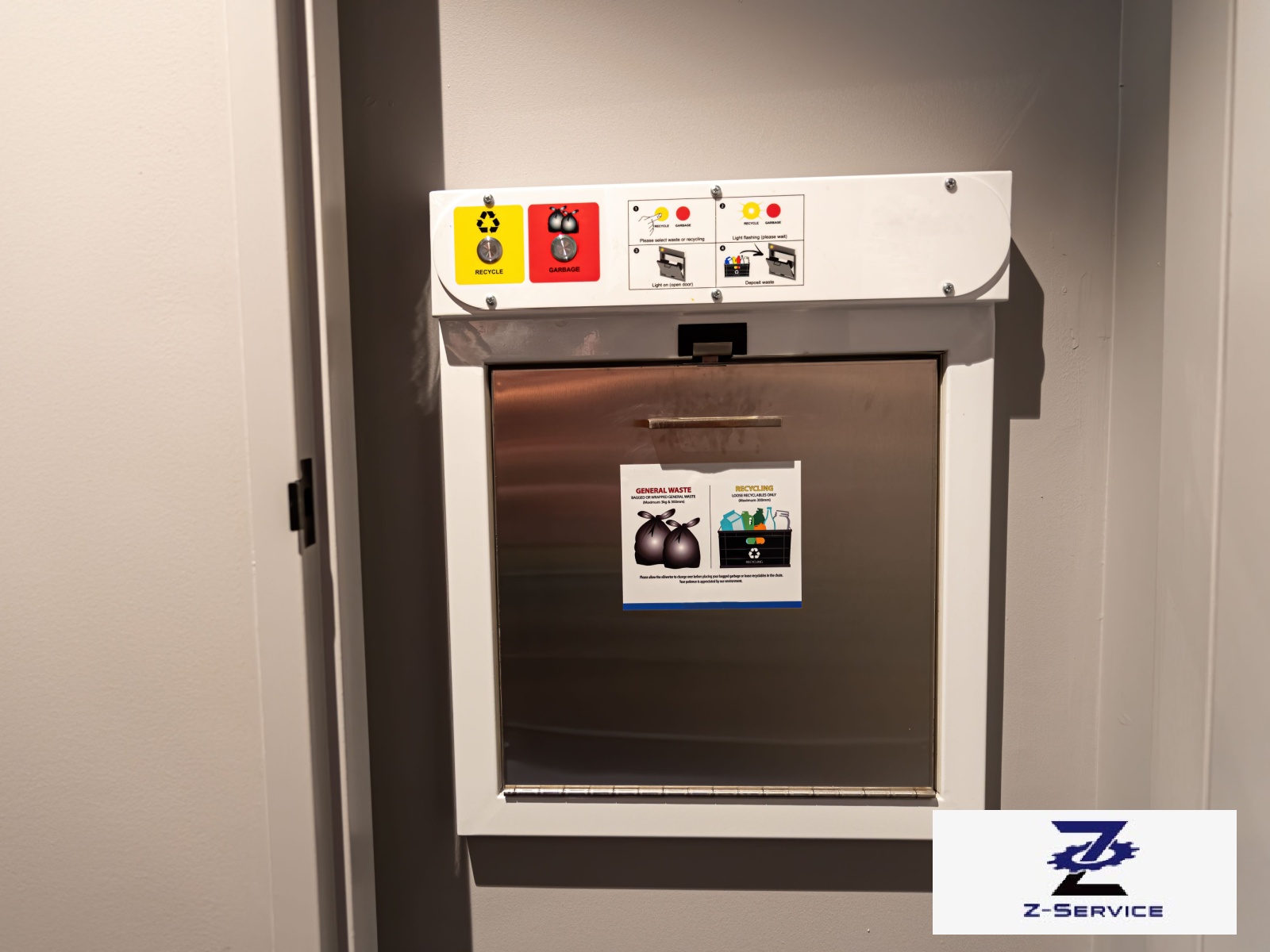
Condominium trash chutes experience repetitive wear that gradually affects their mechanical components. Every time a resident opens an intake door, the hinges, latch, handle, and closing mechanism complete another operating cycle. In buildings with dozens or hundreds of occupants, that activity adds up quickly.
Older equipment may also have accumulated damage from oversized trash bags, improper disposal, moisture, and years of insufficient servicing. Corrosion can weaken metal components, while misalignment places additional stress on hardware that was designed to move smoothly.
The financial consequences often develop gradually. A sticking door might initially require a simple adjustment. Left unresolved, the added resistance can damage its hinges or closing mechanism, eventually requiring replacement parts and additional labor.
Understanding the condition of existing equipment helps Shoreline condominium boards distinguish ordinary wear from problems that could become more expensive.
Address Repeated Hardware Failures at Their Source
Replacing the same component repeatedly is a warning sign that something else may be wrong.
Consider an intake door that continually develops broken latches. Installing another latch might restore temporary functionality, but it will not resolve a misaligned door frame or damaged hinge that prevents the assembly from closing correctly.
Our chute service and repair work addresses problems involving doors, closers, hinges, discharge assemblies, and other components that affect system operation. Evaluating how these parts function together helps identify contributing issues rather than concentrating exclusively on the visibly damaged hardware.
Condominium managers should pay particular attention to recurring complaints involving:
- Doors that require excessive force to open or close
- Latches that repeatedly break or fail to engage
- Hinges that loosen shortly after adjustment
- Discharge doors that stick or fail to operate smoothly
- Scraping noises that suggest misalignment
- Rust or deterioration around frequently used components
Documenting these patterns gives technicians valuable information and helps associations avoid spending money on repetitive, short-lived repairs.
Schedule Inspections Before Equipment Fails
Waiting until a chute becomes unusable can increase repair expenses because emergency service may involve additional scheduling demands, urgent replacement needs, and disruption to residents.
A planned inspection provides an opportunity to evaluate components while the system remains operational.
For Shoreline condominium properties, inspection frequency should reflect building size, resident activity, equipment age, and previous maintenance findings. A heavily used chute with recurring door problems may require more frequent attention than a smaller building with newer equipment.
Our preventative maintenance programs can help associations establish structured service schedules that include equipment assessments, necessary adjustments, maintenance records, and recommendations for developing problems.
During inspections, technicians can evaluate door alignment, latch operation, hardware condition, and discharge-area components. Identifying deterioration early may allow individual parts to be serviced before surrounding assemblies sustain damage.
The objective is not to schedule unnecessary appointments. It is to reduce the likelihood of unpredictable expenses through maintenance intervals appropriate for the property.
Repairing Components vs. Replacing Larger Assemblies
Not every malfunctioning chute door requires complete replacement. However, continually repairing severely deteriorated equipment can eventually cost more than installing a replacement assembly.
A repair-focused approach generally makes sense when the surrounding structure remains sound, replacement hardware is available, and the problem affects an isolated component.
Replacement deserves consideration when corrosion compromises the assembly, repeated repairs fail to restore dependable operation, or several interconnected parts have deteriorated.
For example, replacing a damaged closer may be economical when the door and frame remain properly aligned. However, replacing closers repeatedly on a warped door can waste maintenance funds.
The same principle applies to chute liners and discharge components. Localized damage may be repairable, while extensive deterioration can require a broader solution.
Condominium boards should request a clear explanation of the equipment’s condition, available repair options, and expected reliability before approving substantial work. Comparing immediate costs against likely future maintenance needs supports better financial decisions.
Keep Cleaning and Mechanical Maintenance Connected
Mechanical deterioration is not the only factor affecting chute performance. Accumulated waste, sticky residue, and moisture can interfere with moving components and contribute to corrosion.
A neglected chute may also experience recurring blockages that place additional pressure on the building’s waste-handling operations.
Scheduling trash chute cleaning alongside appropriate mechanical maintenance helps address sanitation concerns and equipment condition as related responsibilities.
Cleaning removes accumulated material that can conceal deterioration or interfere with normal operation. Technicians can then more readily identify visible damage requiring additional attention.
For condominium associations, coordinating these services may also reduce repeated access arrangements and resident notifications. The exact schedule should reflect waste volume, building conditions, and the maintenance requirements of the equipment.
Frequently Asked Questions
How often should condominium trash chutes be inspected?
Inspection frequency depends on the age of the equipment, building occupancy, daily usage, and previous maintenance problems. High-use systems and older chute assemblies may benefit from more frequent inspections. A professional assessment can help establish an appropriate schedule.
Is it cheaper to repair or replace a damaged trash chute door?
Repairing individual components is often more economical when the door and frame remain structurally sound. Replacement may provide better long-term value when corrosion, extensive damage, or repeated hardware failures make repairs increasingly expensive.
What causes recurring trash chute hardware failures?
Repeated failures can result from misaligned doors, worn hinges, damaged closers, corrosion, and excessive operating resistance. Replacing broken hardware without correcting the underlying problem may lead to additional failures and unnecessary repair expenses.
Can regular trash chute cleaning reduce repair costs?
Routine cleaning removes residue, moisture-related buildup, and debris that can interfere with chute operation or contribute to deterioration. Combining cleaning with scheduled mechanical inspections helps building managers identify developing problems before they become more expensive.
How can HOA boards budget for future trash chute repairs?
HOA boards can review maintenance records, document equipment age, identify frequently repaired components, and use inspection findings to forecast future expenses. Planning for predictable maintenance and eventual component replacement helps reduce unexpected financial pressure.
Prevent Emergency Calls and Avoidable Disruptions
Emergency chute problems can create expenses beyond the repair invoice. Residents may need temporary disposal arrangements, maintenance staff may spend additional time managing complaints, and building operations can become unnecessarily complicated.
A complete blockage, for instance, may require prompt intervention to restore safe waste disposal.
Our 24/7 emergency service addresses urgent problems involving clogged trash chutes and other covered building equipment. However, emergency availability should complement scheduled maintenance rather than replace it.
Managers should establish clear procedures for reporting malfunctioning doors, unusual noises, persistent blockages, and visible damage.
When a problem affects safe operation, the affected chute should be taken out of service as appropriate until qualified personnel evaluate it. Residents should receive clear instructions about alternative waste disposal arrangements.
Responding early can prevent a manageable equipment issue from developing into a larger operational disruption.
Build a Repair Budget Around Equipment Condition
Condominium associations benefit from separating predictable maintenance expenses from unexpected repair costs.
An effective budget begins with an equipment inventory. Record the approximate age and condition of chute doors, discharge assemblies, closers, and other serviceable components.
Next, review previous invoices to identify recurring repairs and unusually expensive equipment.
For older Shoreline condominiums, this information can help determine which components warrant closer monitoring and which may require eventual replacement.
Rather than assigning the same maintenance allowance every year without reviewing equipment conditions, boards can use service histories and inspection findings to support more realistic budgeting.
Reserve planning should also account for larger anticipated replacements when appropriate. This reduces the likelihood that an aging chute system will create an entirely unexpected financial obligation.
When Should an HOA Arrange a Professional Assessment?
An inspection is particularly worthwhile when repair requests become more frequent, several intake doors develop similar problems, or residents report recurring operational failures.
Condominium boards should also consider an assessment before approving extensive hardware replacement, preparing a major maintenance budget, or evaluating an older system with incomplete service records.
A qualified assessment can help clarify which problems require immediate attention, which components can remain in service, and where scheduled maintenance offers meaningful value.
The strongest cost-control strategy combines reliable documentation, appropriate repairs, and realistic planning rather than repeatedly postponing necessary work.
When your Shoreline condominium experiences recurring equipment failures, deteriorating chute hardware, or rising maintenance expenses, call Z Service at (206) 547-1900 to discuss trash chute repair and arrange an assessment. We can help your association identify practical service priorities and develop a more manageable approach to maintaining its waste-handling equipment.