


Parking garage ramps handle conditions that flat parking surfaces do not. Vehicles accelerate, brake, and turn on an incline while tires carry in rainwater, road grime, oil, and other contaminants. Over time, that combination can leave ramps slick and increasingly difficult to maintain. Professional parking garage cleaning helps King County property managers remove accumulated grime from ramps and other high-traffic surfaces before buildup becomes a persistent property-maintenance concern.
Why Ramps Develop Buildup So Quickly
Every vehicle entering a garage brings something with it. During Western Washington’s wet months, tires track in water mixed with dirt and roadway residue. Vehicles may drip oil, transmission fluid, coolant, and other automotive fluids. Fine particles from tires and brakes also settle onto garage surfaces.
An inclined ramp creates an additional challenge because liquids move downhill rather than remaining where they were deposited. Water can carry fine grime toward lower portions of the ramp, drainage areas, transitions, and turns.
Busy properties may see this happen every day. Apartment communities, office buildings, mixed-use developments, medical facilities, and other King County properties can accumulate substantial residue even when their garages initially appear reasonably clean.
Oil and Automotive Fluids Create Slick Areas
Dark spots on a garage ramp should not automatically be dismissed as cosmetic staining. Oil and other vehicle fluids can create slippery areas, particularly when combined with water.
Repeated traffic can spread contamination beyond the original drip location. Tires pick up residue and carry it farther along the driving surface, potentially turning a small spill into a larger film.
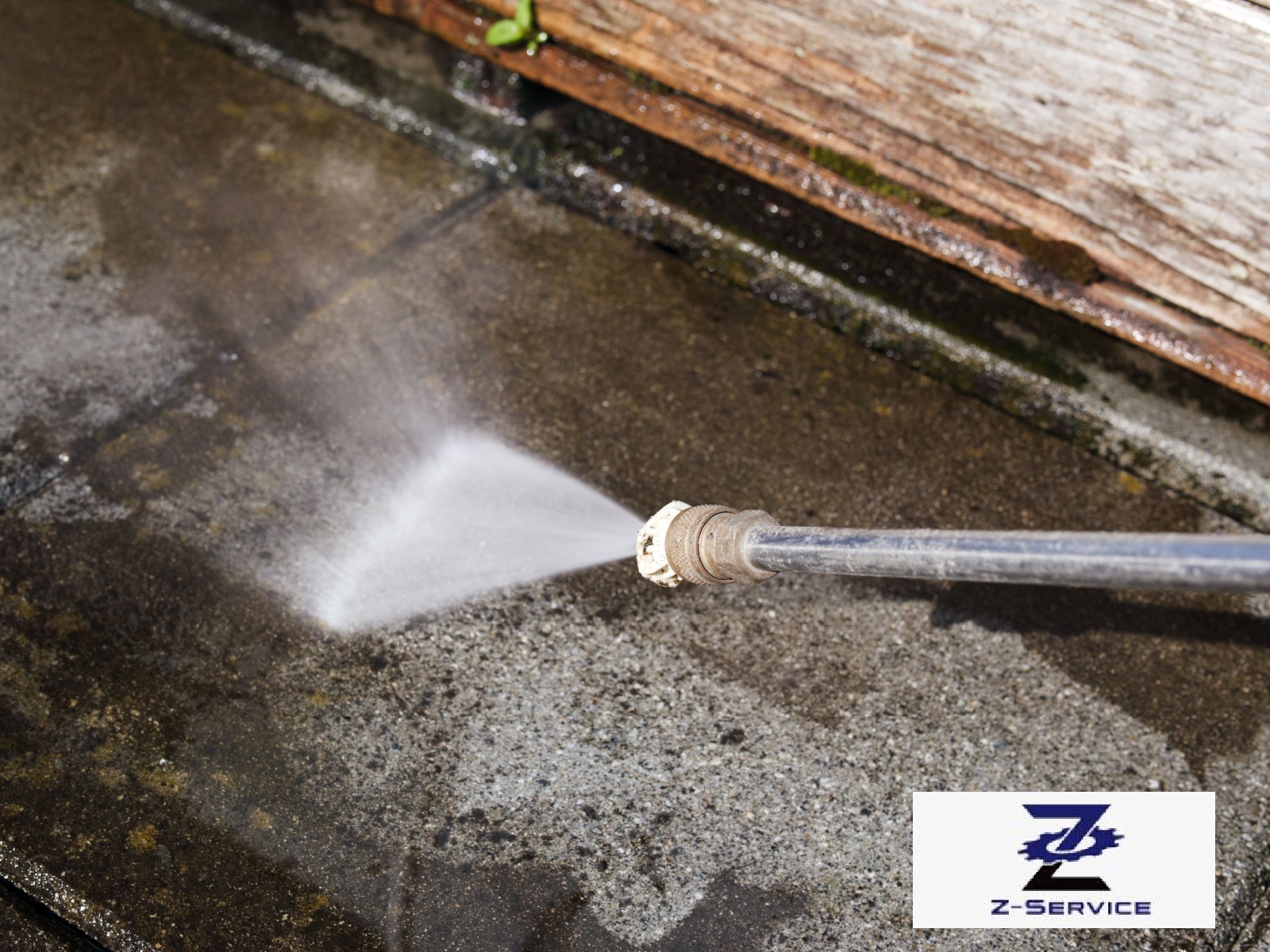
Professional parking garage pressure washing can help property managers address widespread surface contamination as part of a planned cleaning program rather than relying on occasional attention to the most visible spots.
Fresh spills should also receive prompt attention. The longer automotive fluids remain on a surface, the more difficult staining and residue may become to address.
Rainwater Carries More Than Water Into the Garage
King County’s rainy climate makes moisture an ongoing consideration for parking structures. Vehicles entering from wet streets bring water onto ramps, but that water is rarely clean. It can contain road sediment, organic debris, tire residue, and other contaminants collected during travel.
As traffic continues, tires repeatedly move through the wet material. The resulting film may be much less obvious than a concentrated oil spill but can still leave the ramp dirty and slick.
Covered parking does not eliminate the issue. In fact, surfaces farther inside the structure may receive little natural rinsing, allowing tracked-in grime to remain until the garage is professionally cleaned.
Tire and Brake Residue Gradually Coat Surfaces
Some of the material on a parking ramp is difficult to notice because it accumulates gradually. Tire wear and brake-related particles contribute fine residue each time vehicles enter, stop, turn, and leave.
Ramps can be particularly affected because vehicles place additional demands on their tires while climbing, descending, braking, or navigating turns. Fine residue combines with dust and moisture to form stubborn surface grime.
A consistent commercial parking garage maintenance plan can help prevent this buildup from being overlooked simply because it developed slowly rather than appearing after a single spill.
Drainage Problems Can Make Dirty Ramps Worse
Garage drainage systems are intended to move water away from driving and pedestrian surfaces. Dirt, leaves, sediment, trash, and other debris can interfere with that process.
When water does not drain efficiently, it may remain on lower portions of ramps or collect near drains and transitions. Standing or slow-moving water can mix with existing surface contamination and make already-dirty areas more problematic.
Property managers should pay attention to recurring puddles, sediment around drains, and water that consistently travels through the same sections of a garage. Cleaning the surrounding surfaces and removing accumulated debris can support better overall garage maintenance, although structural drainage defects require appropriate repair by qualified professionals.
Frequently Asked Questions
Why do parking garage ramps get slippery?
Oil, automotive fluids, tire and brake residue, road grime, rainwater, and sediment can accumulate on heavily traveled ramps. Moisture can combine with these contaminants and create slick surface conditions.
How often should a parking garage be professionally cleaned?
Cleaning frequency depends on traffic volume, property type, weather exposure, drainage conditions, and the amount of automotive contamination. High-traffic garages may require more frequent professional cleaning than lightly used structures.
Does parking garage cleaning remove oil stains?
Professional cleaning can address many types of automotive residue and staining, although results depend on the contaminant, surface material, stain age, and condition of the garage surface.
What areas of a parking garage tend to get dirtiest?
Entrance and exit ramps, turns, traffic lanes, parking spaces, lower ramp sections, and areas surrounding drains often accumulate substantial grime because of vehicle traffic, moisture, and runoff.
Slippery Ramps Can Become a Property-Management Concern
A garage ramp does not need to look severely neglected before it deserves attention. Drivers depend on predictable traction while turning, braking, and transitioning between levels. Pedestrians may also cross ramp areas depending on the property’s layout.
Visible grime can affect the appearance of the entire facility as well. A clean lobby paired with a heavily stained parking structure creates an inconsistent impression for tenants, residents, customers, and visitors.
For property managers overseeing multiple common areas, commercial pressure washing services can provide a professional approach to surfaces that receive more traffic and contamination than routine janitorial cleaning is designed to handle.
How Professional Garage Cleaning Differs From Spot Cleaning
Spot treatment has a role when a fresh spill occurs, but it does not address the broader film that develops across a heavily traveled ramp.
Professional parking garage cleaning considers the condition of the larger driving surface. Cleaning methods can target accumulated dirt, traffic residue, automotive contamination, and other buildup across ramps, lanes, corners, and related areas.
The condition and material of the surface matter when determining the appropriate cleaning approach. Professionals can evaluate the area rather than assuming every stain or garage surface should receive identical treatment.
This broader approach is particularly valuable for large King County properties where garage appearance and maintenance need to remain consistent across multiple levels or high-use access points.
How Often Should Parking Garage Ramps Be Cleaned?
There is no single cleaning interval appropriate for every garage. Traffic volume, property type, exposure to weather, drainage performance, and the amount of automotive contamination all influence how quickly a ramp becomes dirty.
A residential garage with moderate traffic may develop buildup differently from a busy office, retail, or mixed-use property. Garages with entrances directly exposed to rain and roadway debris may also require more frequent attention.
Rather than relying exclusively on a calendar, managers can watch for visible tire residue, dark traffic lanes, recurring slick areas, oil staining, sediment near drains, and noticeable differences between cleaned and heavily traveled surfaces.
Scheduling routine parking garage cleaning before buildup becomes severe can make garage maintenance more predictable and reduce the chance that neglected surfaces become a larger cleaning project.
Cleaning Can Help Protect the Property’s Overall Condition
Allowing heavy contamination to remain indefinitely can make future cleaning more challenging. Oil, grime, and traffic residue continue to be spread by vehicles, while sediment can accumulate around drainage areas.
Planned cleaning gives facility teams an opportunity to manage those conditions proactively. It can also make it easier to see the actual condition of the surface once layers of dirt and staining have been addressed.
For property managers, this is an important distinction. Cleaning cannot repair damaged concrete, failed coatings, drainage defects, or other structural problems, but maintaining cleaner surfaces can make those concerns easier to identify and evaluate.
When Is It Time to Bring in a Professional?
Recurring slick areas, widespread oil staining, heavy tire marks, dirty traffic lanes, sediment accumulation, and ramps that remain grimy despite routine property maintenance are strong indicators that professional cleaning should be considered.
Managers may also schedule service before periods of increased occupancy, property inspections, major tenant transitions, or other events when the condition of common areas receives additional attention.
The goal is not simply to make a garage look brighter. Removing accumulated contamination helps maintain a cleaner, more manageable environment in one of the hardest-working parts of a commercial or multi-unit property.
If ramps at your King County apartment building, condominium, office property, parking structure, or commercial facility have developed heavy grime, automotive residue, or recurring slick areas, Z Service can provide professional parking garage cleaning tailored to the property. Call Z Service at (206) 547-1900 to schedule service before buildup becomes more difficult to manage.