

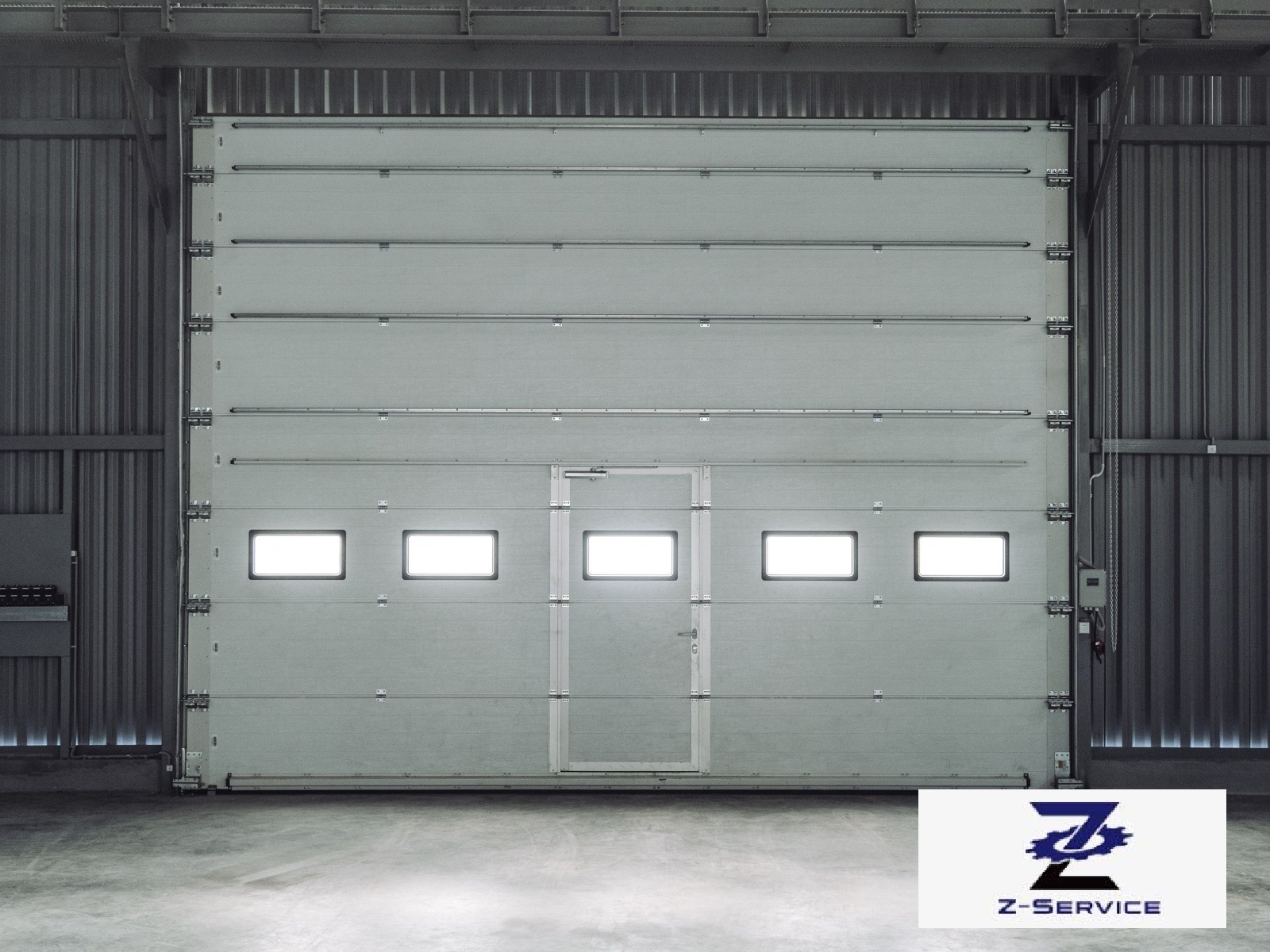
A commercial overhead door can weigh hundreds of pounds and move through dozens or even hundreds of cycles during a busy week. When rollers leave the track or the door begins moving unevenly, the problem can quickly interfere with deliveries, loading operations, vehicle access, and building security. Professional overhead door track repair helps Sumner property owners and facility managers identify why a door has shifted out of position and correct the underlying problem before additional components are damaged.
How an Overhead Door Gets Off Track
An overhead door depends on coordinated movement between its tracks, rollers, cables, springs, brackets, and other hardware. The tracks guide the door, but they cannot compensate indefinitely when another component becomes damaged or moves out of position.
A door may come off track after a vehicle or piece of equipment strikes it. Rollers can wear down, brackets can loosen, and tracks can bend. Cable or spring problems may also cause one side of the door to move differently from the other.
Sometimes the first warning is subtle. The door may shake, hesitate, scrape, or become noticeably louder. Recognizing the signs a commercial overhead door needs repair can help building managers schedule service while the door is still operational instead of waiting for a complete failure.
Bent Tracks Can Push Rollers Out of Position
Commercial overhead-door tracks must maintain the correct shape and alignment throughout the door’s travel. Even a relatively small bend can interfere with smooth roller movement.
Impact damage is a common cause. Forklifts, delivery vehicles, carts, and other equipment can strike vertical tracks in warehouses, loading areas, and commercial garages. A track may look only slightly damaged while still creating enough resistance to affect the door.
Continuing to operate the door can worsen the bend or force a roller out of the track entirely. Professional overhead door track repair can determine whether the damaged section can be corrected or whether replacement is necessary.
Worn Rollers Can Cause Uneven Movement

Rollers travel through the tracks every time the door opens and closes. With enough use, they can wear, loosen, crack, or stop rotating smoothly.
A deteriorated roller may drag rather than roll freely. That resistance places additional stress on the track and supporting hardware. A severely worn roller can also shift enough to escape the track, particularly when combined with loose brackets or existing alignment problems.
High-cycle commercial doors deserve particular attention because wear can develop much faster than it would on a lightly used door. Scheduling commercial overhead door maintenance can help identify worn rollers and related hardware before they contribute to an off-track door.
Loose Hardware Can Change Track Alignment
Tracks are secured with brackets, bolts, and other mounting hardware. Repeated door movement creates vibration, and years of operation can gradually affect these connections.
When hardware loosens, a track may shift just enough to alter the path of the rollers. The problem may initially appear as rubbing or unusual noise. Eventually, the track can move farther out of alignment and make reliable door operation impossible.
Simply tightening visible hardware is not always the appropriate solution. A technician needs to determine why the track moved and whether the door, rollers, mounting points, or surrounding components have also been affected.
Cable and Spring Problems Can Pull the Door Unevenly
An overhead door that becomes crooked while moving is at increased risk of leaving its tracks. Cables and springs play important roles in controlling and balancing the weight of the door. When these components malfunction, one side may rise or descend differently from the other.
That uneven movement can place significant lateral force on rollers and tracks. A door may become visibly tilted, bind partway through its travel, or stop moving altogether.
Commercial door systems contain components under substantial tension. For that reason, cable and spring problems should be evaluated by trained professionals rather than handled as routine building-maintenance adjustments.
Frequently Asked Questions
What causes a commercial overhead door to come off track?
Common causes include bent tracks, worn rollers, loose mounting hardware, vehicle impacts, and problems that cause the door to move unevenly. An inspection can determine which component caused the failure.
Can an overhead door track be repaired instead of replaced?
Some alignment and mounting problems can be repaired when the track remains structurally sound. Severely bent, twisted, cracked, or impact-damaged track sections may require replacement.
Should I operate a commercial door that is partially off track?
No. Continuing to cycle an off-track door can worsen damage to the tracks, rollers, panels, and other hardware. The area should be secured until the door can be professionally evaluated.
What are the warning signs of an overhead-door track problem?
Warning signs can include scraping, shaking, jerking, uneven movement, unusual noises, visible track damage, loose hardware, or a door that appears crooked while opening or closing.
Vehicle and Equipment Impacts Are a Major Risk
Commercial facilities create opportunities for accidental contact that residential doors rarely experience. A delivery truck may back into a partially open door. A forklift can clip a vertical track. Pallets, carts, or equipment can strike mounting hardware.
Even when the door continues operating after an impact, damage should not be dismissed. A bent panel, displaced track, damaged roller, or shifted bracket may cause a failure several cycles later.
For busy Sumner facilities, professional commercial overhead door repair after an impact can uncover damage that is not immediately obvious and reduce the chance of an unexpected shutdown during normal operations.
Repairing the Track Versus Replacing Damaged Components
Not every off-track door requires an entirely new system. The correct repair depends on the extent and location of the damage.
A track that has shifted because of loose mounting hardware may be repairable when the track itself remains structurally sound. Certain alignment problems can also be corrected after the underlying cause is resolved. Severely bent, twisted, cracked, or impact-damaged track sections may need replacement.
The same principle applies to rollers and related hardware. Reusing badly worn components simply because they still fit can lead to recurring problems. A professional evaluation considers the complete operating system rather than focusing only on putting a displaced roller back into its track.
Why You Should Stop Using an Off-Track Door
Trying to operate a commercial door after it has visibly left its track can turn a manageable repair into extensive damage. The door may twist, panels can buckle, rollers may break, tracks can bend further, and other hardware can be placed under abnormal stress.
There is also a serious safety concern. A large commercial door that is no longer properly supported and guided should not be treated like a door that is merely sticking.
Facility managers should restrict access around the affected opening and arrange professional service. Employees should not attempt to force the door open or closed to complete one more delivery or move one more vehicle.
Preventing Repeat Track Problems
A successful repair should address why the door came off track, not merely return it to position. That may mean replacing worn rollers, correcting track alignment, addressing damaged brackets, or resolving another mechanical problem affecting door movement.
Preventive inspections are particularly useful for high-use facilities. Technicians can look for developing wear, movement, impact damage, and alignment concerns before they cause operational disruption.
Properties with multiple commercial doors may also benefit from overhead door inspection and preventive maintenance to identify similar wear across several openings rather than waiting for each door to fail separately.
Know When Professional Service Is Needed
Scraping, shaking, jerking, crooked movement, visible track gaps, damaged rollers, loose brackets, and unusual operating noises should all prompt closer attention. A door that suddenly becomes difficult to operate or changes the way it travels should not be repeatedly cycled in hopes that the problem resolves itself.
Prompt service can also help control repair costs. Continuing to operate a compromised door may damage panels, rollers, tracks, and hardware that were initially unaffected. Addressing a developing problem can be considerably less disruptive than dealing with a door that becomes unusable during a delivery or busy workday.
For warehouses, commercial garages, service facilities, and other Sumner properties, dependable overhead doors are part of keeping daily operations moving. If your door is crooked, binding, visibly off track, or has been struck by a vehicle or equipment, call Z Service at (206) 547-1900 to schedule overhead door track repair in Sumner before continued operation causes additional damage.