


A dirty trash chute can create problems throughout an entire building, even when the first warning signs seem minor. Lingering odors, sticky residue, and occasional tenant complaints may indicate that waste has accumulated along the chute walls or inside the collection area. For apartment complexes, condominiums, and commercial properties in Redmond, neglecting routine cleaning can lead to sanitation concerns, pest activity, and avoidable maintenance expenses. Understanding what happens inside a neglected trash chute helps property managers recognize when professional service is necessary.
Why Trash Chutes Become Unsanitary
Trash chutes handle a continuous stream of household and commercial waste. Although garbage bags are supposed to remain sealed, they frequently tear or leak as they travel between floors. Liquids, food particles, grease, and other debris cling to the chute’s interior surfaces.
Over time, these materials form layers of residue that ordinary waste collection cannot remove. Emptying the dumpster or compactor does nothing to address contamination remaining inside the chute itself.
Warm indoor temperatures and moisture create favorable conditions for microbial growth. Bacteria and other microorganisms can accumulate on contaminated surfaces, particularly around chute doors, seams, and collection areas.
The longer this buildup remains, the more difficult it becomes to remove. Professional trash chute cleaning services address accumulated residue throughout the chute system rather than focusing exclusively on the waste collection area.
Persistent Odors Are Often the First Warning Sign
Unpleasant smells are among the most common complaints associated with neglected trash chutes. Decomposing food, spilled liquids, and organic waste release odors that can travel through the chute system and surrounding spaces.
Residents may initially notice these smells near disposal doors. As contamination increases, odors can become noticeable in hallways, utility rooms, and nearby common areas.
Air fresheners and deodorizing products may temporarily disguise the smell, but they do not eliminate the underlying source.
Property managers should pay particular attention when:
- Odors remain after dumpsters have been emptied.
- Residents report smells on multiple floors.
- Hallways develop persistent sour or rotten-food odors.
- Chute rooms smell unpleasant despite routine housekeeping.
- Complaints return shortly after deodorizing treatments.
These conditions suggest that contamination may be present beyond accessible surfaces. A professional assessment can determine whether accumulated waste, drainage problems, or damaged chute components are contributing to the issue.
Dirty Trash Chutes Can Attract Pests
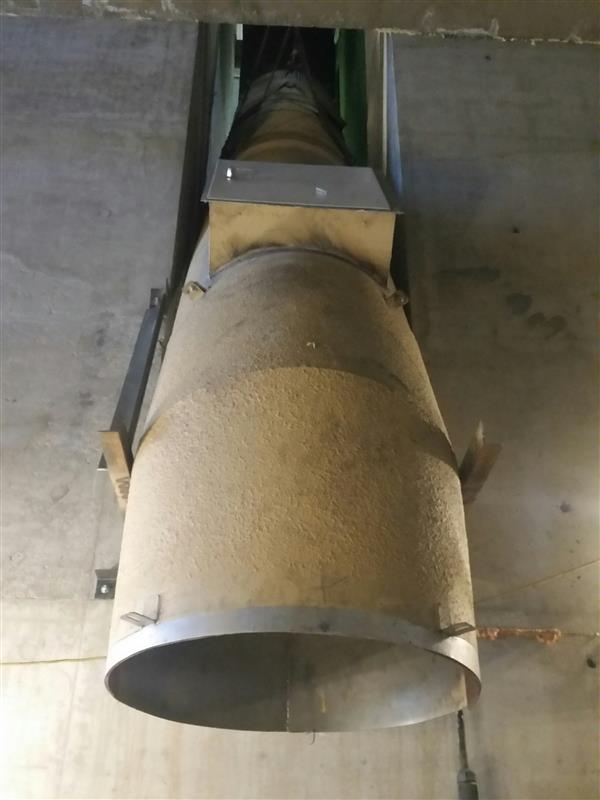
Food residue and moisture can make neglected trash chute systems attractive to insects and rodents.
Cockroaches, flies, and other pests may gather around collection rooms, disposal openings, and areas containing trapped organic material. Rodents can also be attracted to accessible waste, particularly when collection areas have gaps or poorly maintained enclosures.
Pest activity creates concerns beyond the immediate inconvenience. Insects can move between contaminated surfaces and occupied spaces, while rodents may damage surrounding materials or create additional sanitation problems.
In Redmond, where multifamily buildings often share centralized waste disposal systems, an overlooked collection area can affect numerous residents.
Pest control treatments may address an existing infestation, but contamination that continues providing food and moisture can contribute to recurring activity.
Keeping chute interiors clean supports broader pest-prevention efforts by reducing the residue that attracts unwanted visitors.
Tenant Complaints Can Become a Property Management Problem
Residents expect shared waste disposal systems to function without creating unpleasant living conditions. When odors, insects, or visible grime become recurring problems, dissatisfaction can escalate quickly.
A single complaint may involve a dirty disposal door. Several complaints from different floors may indicate a larger maintenance issue.
Property managers can face additional challenges when residents begin leaving garbage outside chute doors because they do not want to use the system. This creates new housekeeping concerns and can obstruct shared spaces.
Poorly maintained disposal areas may also influence how prospective tenants perceive the building. Visible staining, persistent odors, and neglected common areas can suggest that other maintenance responsibilities receive insufficient attention.
Addressing complaints promptly demonstrates that building management takes sanitation seriously. However, recurring reports should trigger an evaluation of the entire chute system rather than repeated surface cleaning.
How Neglected Cleaning Increases Maintenance Expenses
A dirty trash chute does not necessarily cause mechanical damage by itself, but accumulated debris can contribute to operational problems.
Sticky waste may collect around discharge openings, doors, and other components. Hardened residue can interfere with movement, while trapped debris may contribute to restrictions or blockages.
Moisture and corrosive waste materials can also accelerate deterioration of susceptible metal surfaces, particularly where protective finishes are already compromised.
These conditions may eventually require more extensive cleaning, component replacement, or professional repairs.
Property managers reviewing trash chute repair services should consider whether recurring equipment problems are connected to contamination, damaged components, or both.
Delaying service can increase expenses through emergency maintenance calls, additional labor, temporary disposal arrangements, and repeated tenant complaints.
Preventive cleaning generally provides a more manageable maintenance approach than waiting until the chute becomes difficult or unsafe to operate.
Routine Cleaning vs. Waiting for a Problem
Both approaches involve maintenance expenses, but they create very different operating conditions.
| Routine Professional Cleaning | Reactive Maintenance |
|---|---|
| Removes residue before significant buildup | Addresses contamination after problems develop |
| Helps control persistent odors | May require extensive cleaning |
| Supports pest-prevention efforts | Often follows resident complaints |
| Allows earlier identification of visible damage | Problems may remain unnoticed longer |
| Supports predictable maintenance planning | Can involve unexpected service expenses |
Cleaning frequency should reflect building occupancy, waste volume, chute design, and existing conditions. A busy residential tower may require more frequent attention than a smaller property with limited daily use.
For Redmond property managers, establishing a cleaning schedule based on actual operating conditions can help reduce disruptions without scheduling unnecessary service visits.
Can Dirty Trash Chutes Create Safety Concerns?
Sanitation is not the only consideration. Trash chutes are part of a building’s waste-handling infrastructure, and their condition can affect safe operation.
Accumulated combustible materials may contribute to fire hazards, particularly when debris collects in areas where it should not remain. Chute doors and related fire-protection components must also function as designed.
Cleaning alone cannot correct a defective fire-rated door, damaged closure mechanism, or compromised chute assembly.
Building managers should arrange appropriate professional evaluations when doors fail to close, components appear damaged, or waste repeatedly becomes trapped.
Routine attention to trash chute maintenance and repair can help identify conditions that warrant corrective work before they develop into more disruptive problems.
When Should Property Managers Schedule Professional Cleaning?
Waiting for severe odors or a complete blockage is rarely the most effective strategy. Several warning signs indicate that a chute system deserves professional attention.
These include visible residue around disposal openings, recurring pest activity, repeated odor complaints, leaking waste, and unusually frequent blockages.
Buildings experiencing increased occupancy or higher waste volumes may also need their existing cleaning schedules reassessed.
Professional cleaning is particularly valuable because much of the chute interior cannot be safely or effectively accessed through ordinary janitorial procedures.
At Z Service, we focus on professional trash chute cleaning and repair services that help building managers address contamination and equipment concerns. Our work supports cleaner shared environments and more dependable waste disposal operations.
Property managers can also benefit from understanding signs your trash chute needs cleaning when determining whether an existing maintenance schedule remains appropriate.
Frequently Asked Questions
How often should a commercial or apartment trash chute be cleaned?
Cleaning frequency depends on building occupancy, daily waste volume, and existing chute conditions. High-use buildings may require more frequent professional cleaning. A service provider can recommend a schedule based on the property’s needs.
Can a dirty trash chute attract cockroaches and rodents?
Yes. Food residue, moisture, and accumulated waste can attract insects and rodents. Professional cleaning helps remove contamination that may contribute to pest activity, although existing infestations may also require pest control services.
Why does a trash chute smell even after the dumpster is emptied?
Odors may come from food particles, leaked liquids, and organic residue attached to the interior chute walls, doors, or collection area. Emptying the dumpster does not remove these deposits, so professional cleaning may be necessary.
Can neglected trash chute cleaning lead to expensive repairs?
Accumulated debris can contribute to blockages and interfere with chute components. Moisture and corrosive waste may also accelerate deterioration. Routine cleaning and timely repairs can help property managers avoid preventable maintenance expenses.
When should property managers call a professional trash chute service?
Recurring odors, visible residue, pest complaints, frequent blockages, and malfunctioning chute doors are reasons to request professional attention. A qualified service provider can evaluate cleaning needs and identify components that may require repair.
Protect Your Building With Proactive Trash Chute Care
A neglected chute can affect more than the waste disposal room. Odors, pest activity, resident dissatisfaction, and equipment problems can spread the consequences throughout a property.
The most effective approach combines routine professional cleaning with timely attention to damaged or malfunctioning components. Documenting recurring complaints and maintenance issues also helps managers make better decisions about service frequency.
For multifamily and commercial properties, dependable waste disposal is essential to maintaining clean, functional shared spaces.
If your Redmond property has a dirty trash chute, recurring odors, pest concerns, or signs of equipment deterioration, professional attention can help prevent further complications. Call Z Service at (206) 547-1900 to discuss your building’s trash chute cleaning and repair needs and schedule appropriate service.